Case File 060: The Emergency Backup Drill
Filed under: System Safety Checks & Disaster‑Proofing
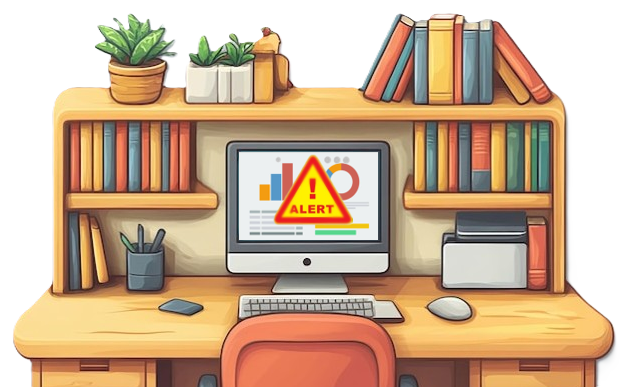
I was settling in at my desk when a blinking alert caught my eye — the kind that hints at trouble beneath the surface.
A business owner reached out because she realized her entire financial system had no emergency backup.
With September 11 approaching, she admitted she had no idea what would happen if her financial tools failed — no backups, no redundancy, no plan. Just hope, and hope isn’t a strategy.


Figgy’s note: “If you wouldn’t skip a fire drill, don’t skip a backup drill.”
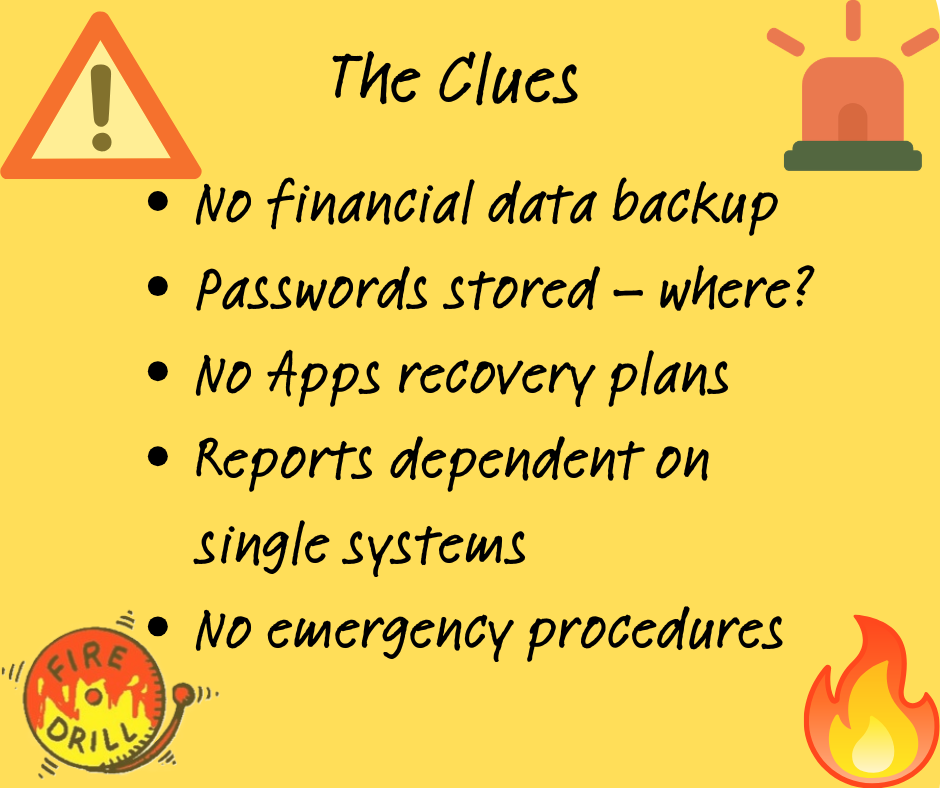
Clues
No backup of financial data
Passwords stored in random places
Apps without recovery plans
Reports dependent on single systems
No documented emergency procedures

A missing backup becomes a crisis. A lost password becomes a lockout. A corrupted file becomes a shutdown. A single‑point‑of‑failure becomes a full‑scale emergency.
The numbers aren’t unsafe. The systems are.
It’s the bookkeeping equivalent of a building with fire alarms that haven’t been tested since installation.


Detective Debit’s Fix
I grabbed the metaphorical emergency kit and started the drill.
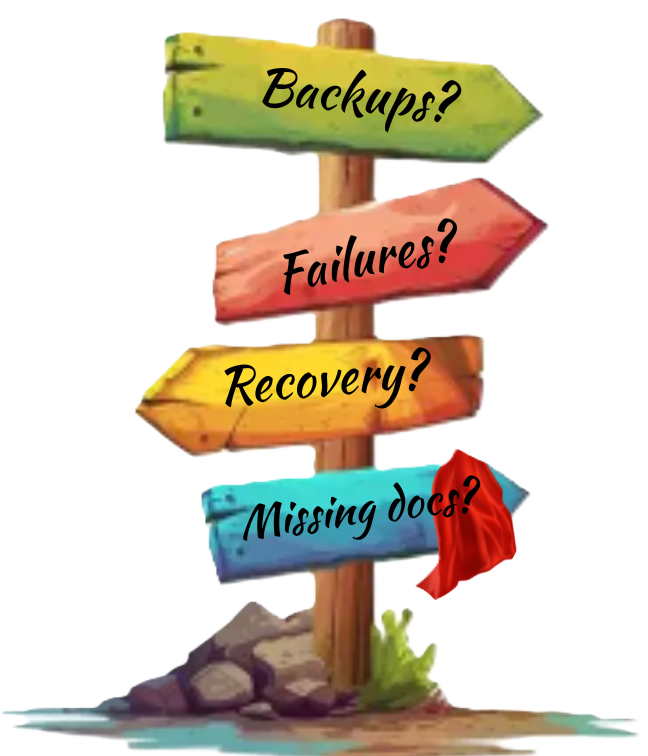
First, I tested the alarms:
Checked for existing backups
Verified access to all financial systems
Identified single‑point failures
Reviewed app recovery options
Flagged missing documentation

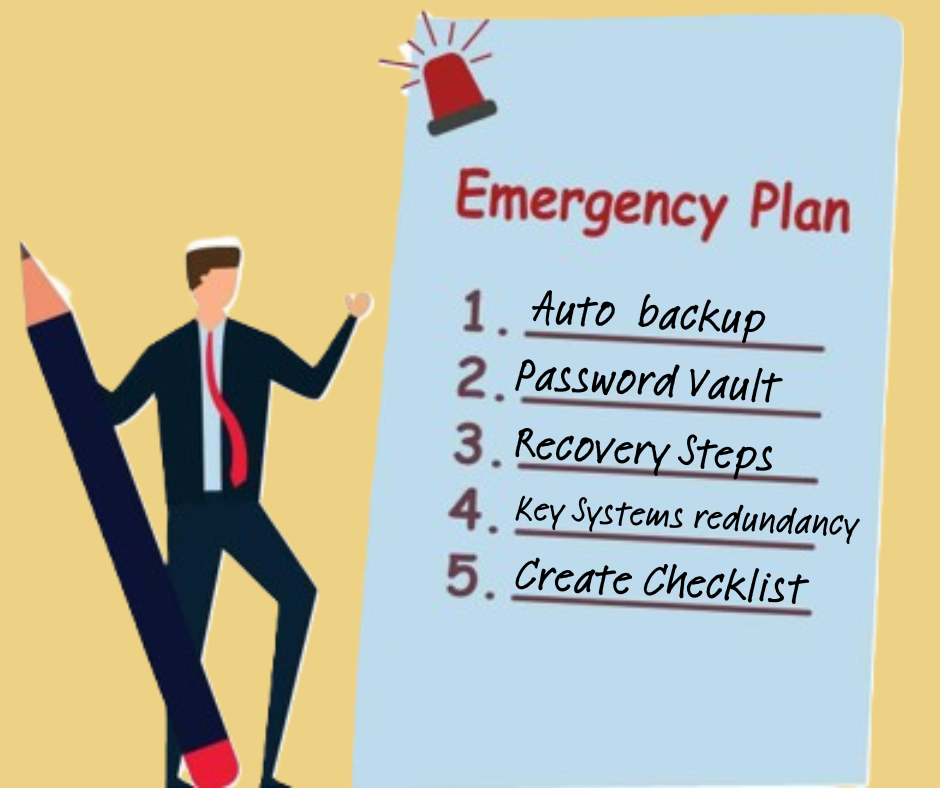
Then I built the emergency plan:
Set up automated backups
Created a secure password vault
Documented recovery steps
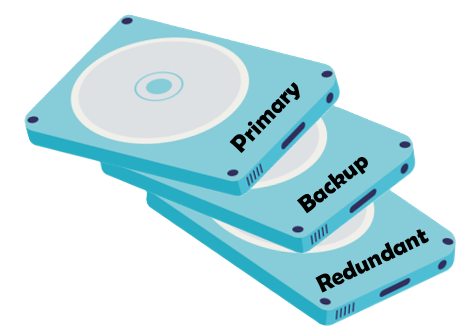
Established redundancy for key systems
Built a simple emergency checklist



Figgy’s Thought:
“Turns out the emergency wasn’t happening — but it could have.”
Slowly, the system became safer. The alarms worked. The exits were clear. The business was protected.

The Twist
Systems don’t fail often — but when they do, they fail fast.

The Takeaway
A solid backup plan helps you:
Protect financial data
Recover quickly from failures
Avoid lockouts
Maintain continuity
Reduce stress

Figgy adds: “Emergency kits aren’t optional — they’re smart.”


Need Backup?
A solid backup plan keeps your financial systems safe. When passwords, data, and recovery steps are organized and protected, emergencies stop being scary and start being manageable.
If your systems haven’t had a drill lately, it’s time to test the alarms before you need them.





Final Thoughts
Preparedness isn’t dramatic — it’s responsible. When your financial systems have backups, redundancies, and clear procedures, you can weather anything.
Growth is good. Protected growth is even better.
Figgy’s final word:
“Test the alarms before you need them.”

Coming Soon: Case File 061: The Password Post‑It Panic — where scattered credentials bring the ledger to a standstill and Detective Debit corrals every login before the whole system locks up.